CC600 Chains: Wet Chain vs. Dry Chain
- Share
- Issue Time
- Mar 13,2026
Summary
Camvey currently offers both dry chain and wet chain solutions. We welcome your inquiries.
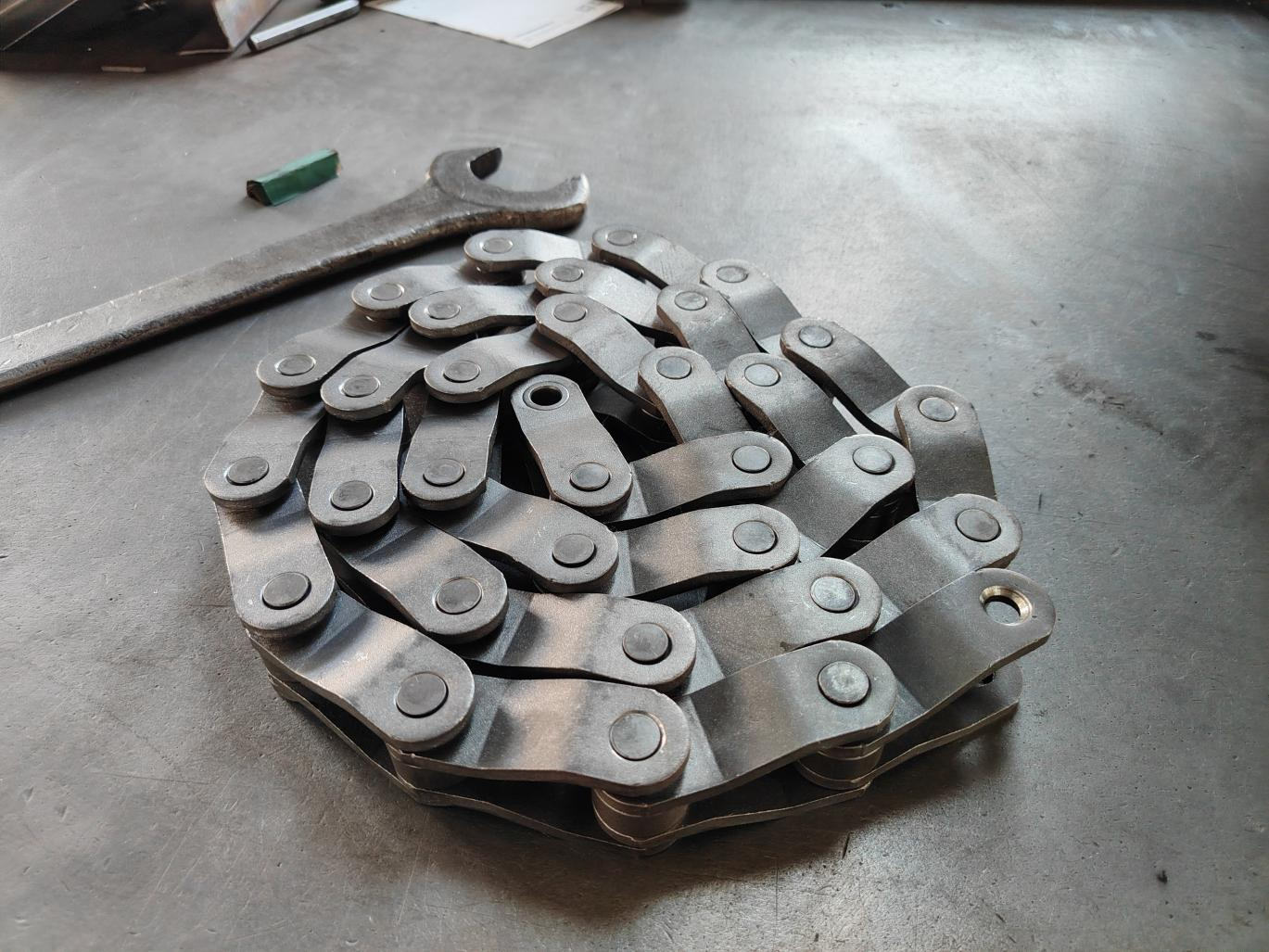
For CC600 chain for LPG line, there are two common types of chain conveyors: dry and wet.
Deciding which one is more suitable for your needs depends on your location and individual preferences. Each type has its own set of benefits and factors to consider.
Wet Chain
A wet chain is lubricated using black soap or soapy water mixed with a certain amount of oil or grease.
This provides two main benefits: it ensures the chain operates smoothly and helps prevent the generation of sparks. The wet chain performs both functions very effectively. However, a downside is that the water evaporates over time, leaving behind a greasy residue that must be cleaned regularly. If the track develops a leak, the slippery soap may spill onto the floor, creating serious safety risks. Additionally, the moist, greasy surface of the chain can attract dust and grime from dirty gas cylinders. Using a wet chain requires careful attention to maintenance and plant housekeeping to ensure the safety of staff moving around the area.
Dry Chain
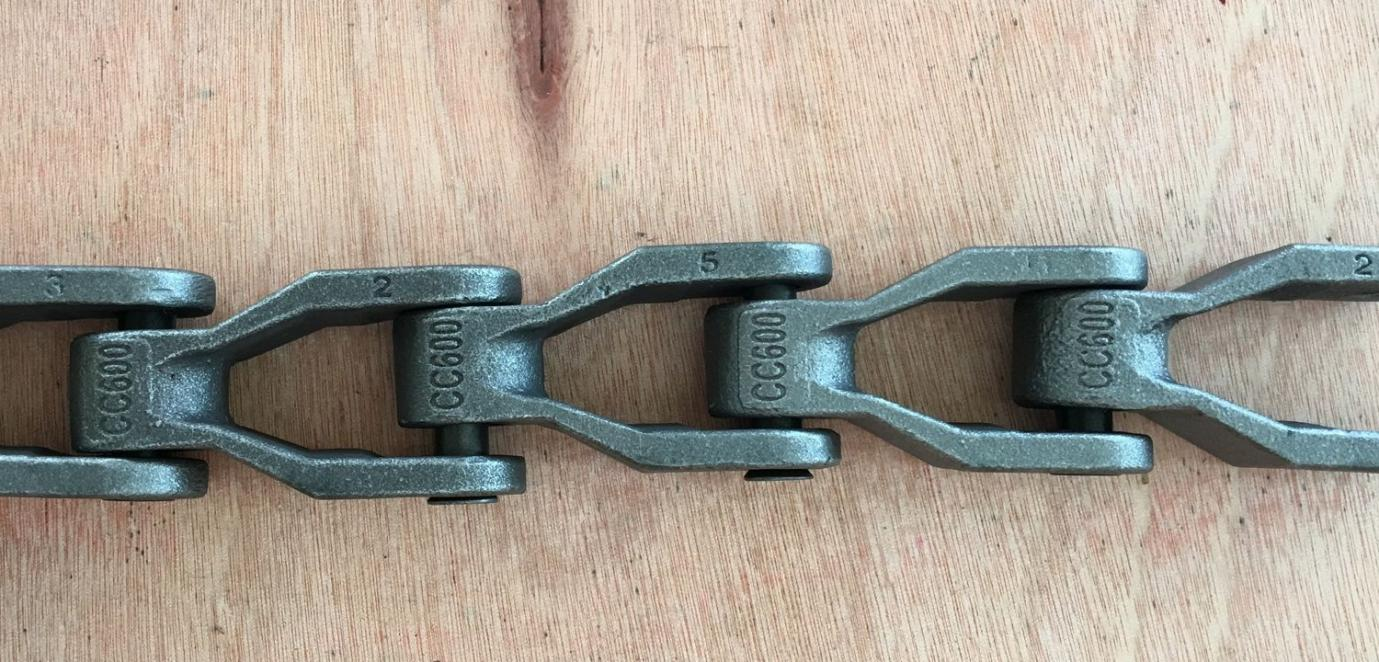
In contrast, a dry chain does not involve any soap or liquid lubrication.
It can be lubricated using oil spray or a Teflon coating to minimize wear, which offers more control but tends to be more expensive than soap-based lubrication. A dry chain generally requires less maintenance and cleaning, but the absence of soap means it may wear out slightly faster than a wet chain. In regions where water is scarce—such as the Middle East—the dry chain is often the preferred choice. Moreover, dry chains do not require additional equipment like mixing tanks or pumps, which themselves need maintenance.
Camvey currently offers both dry chain and wet chain solutions. We welcome your inquiries. Please feel free to contact us anytime.