High Temperature Conveyor Chain: Engineering Choices for a 250°C Conveyor Project
- Share
- Issue Time
- Sep 18,2026
Summary
In international conveyor projects, there can sometimes be a gap between drawing requirements and practical considerations such as manufacturability, cost, lead time, and long-term maintenance.
In international conveyor projects, there can sometimes be a gap between drawing requirements and practical considerations such as manufacturability, cost, lead time, and long-term maintenance.
This was the case with a recent project from Argentina involving a high-temperature conveyor line designed for continuous operation at 250°C. During the technical discussion, we reviewed several details of the original design and proposed practical alternatives based on our manufacturing experience and existing conveyor chain designs.
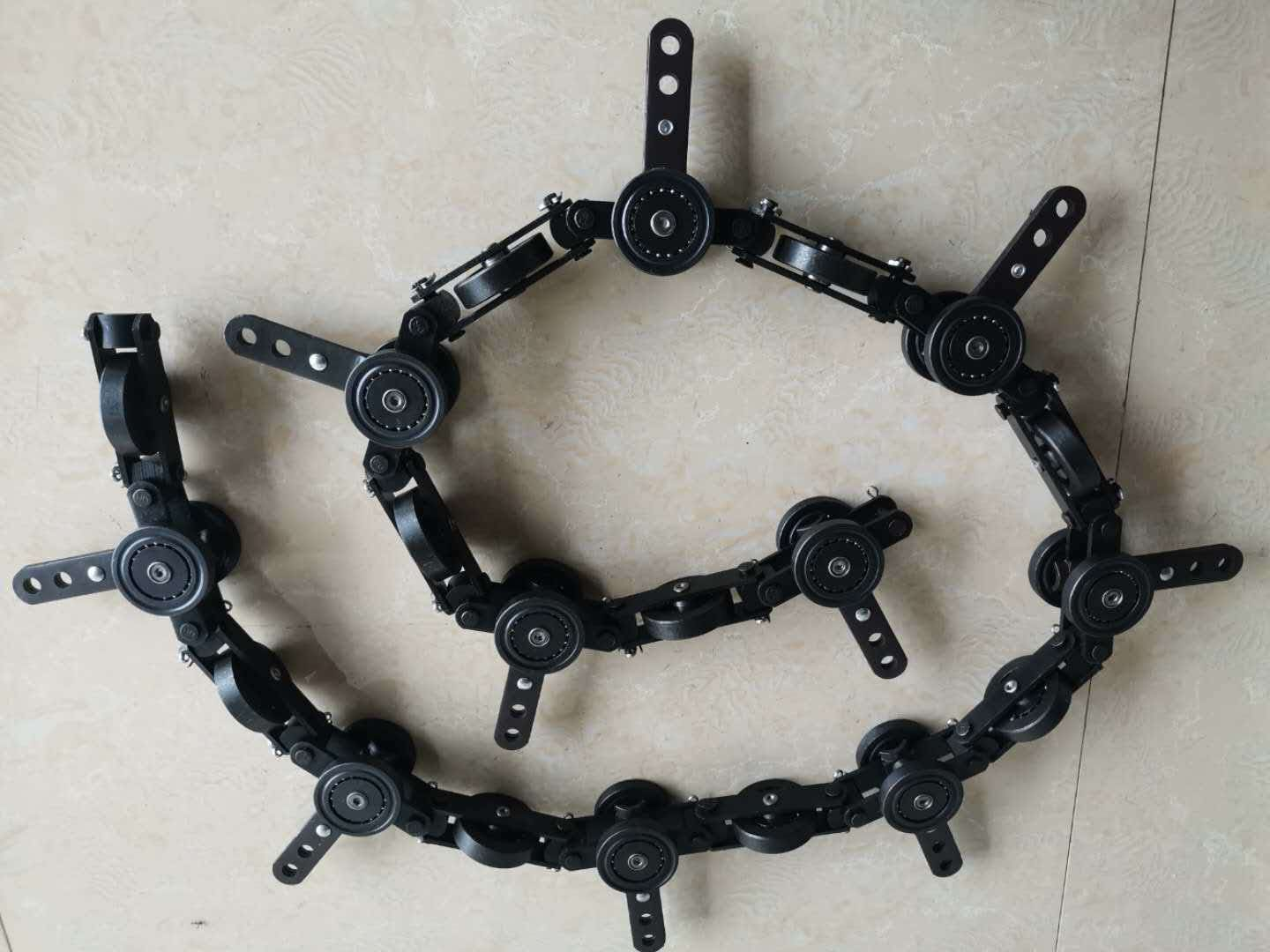
For this project, our standard P250 conveyor chain is the proposed chain platform.
Bearing Selection: Proven Structure or Fully Custom Design?
For the 250°C operating requirement, we proposed a high-temperature ball bearing configuration based on our standard P250 chain.
The main advantage of this option is that it retains the existing P250 chain structure while using purpose-built high-temperature ball bearings together with a high-temperature solid lubricant. The configuration is designed for continuous operation at temperatures up to 250°C.
Because this solution is based on an existing chain structure and does not require a completely new chain design or tooling, it can follow our normal manufacturing process and lead time. It also helps keep the engineering and production costs more predictable.
The customer's original drawing includes limitations regarding the use of ball bearings. A completely ball-free, bushing-only configuration would therefore require additional engineering and a customized design. This would involve more development work, as well as potentially longer lead times and higher engineering costs.
For this reason, we presented the high-temperature ball bearing version of the P250 chain as the primary practical proposal, while leaving the final configuration subject to the customer's technical confirmation.
Heavy-duty P250 conveyor chain for high-temperature conveying applications.
Rail Design: Round Rails or Square Section Rails?
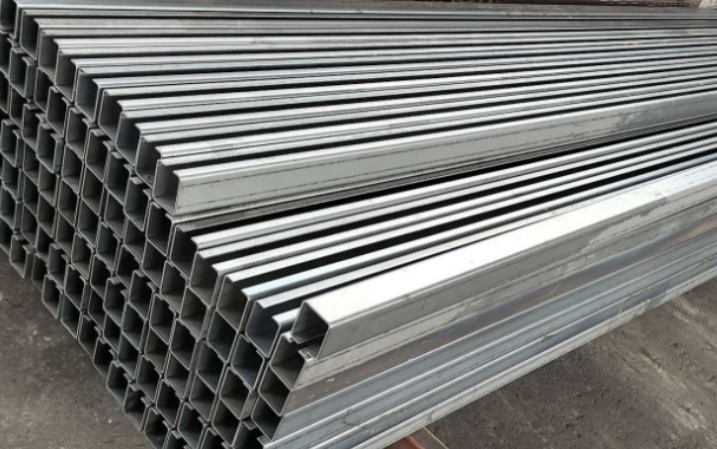
Guide rail design was another important point discussed during the project review.
The customer's initial requirement specified round section rails throughout the conveyor line. Based on our manufacturing and service experience, we proposed using square section rails throughout the line as an alternative.
For this particular project, the square section design can simplify fabrication and maintenance while helping control the overall project cost. It also provides a stable guide structure for a heavy-duty conveyor operating continuously at elevated temperatures.
The purpose of this proposal is not simply to change the customer's original drawing, but to consider the practical aspects of manufacturing, installation, maintenance, and long-term operating costs together with the initial technical requirements.
For heavy-duty continuous conveying equipment, these factors can be important when evaluating the overall cost of ownership.
Square section guide rail proposed for the high-temperature conveyor line.
Balancing Technical Requirements and Practical Engineering
International conveyor projects often require more than simply manufacturing components according to a drawing. Material selection, bearing configuration, rail design, manufacturing methods, lead time, maintenance requirements, and project cost can all affect the final solution.
For this 250°C high-temperature conveyor project in Argentina, our proposed approach combines the standard P250 conveyor chain with high-temperature ball bearings and square section guide rails.
This configuration provides a practical balance between high-temperature performance, manufacturability, lead time, and project cost.
The final design will depend on the customer's feedback and technical confirmation. We will continue to evaluate the details together with the customer to ensure that the selected configuration is suitable for the actual operating requirements of the conveyor line.