How to Verify a Supplier and Avoid Business Fraud
- Share
- Issue Time
- Oct 27,2026
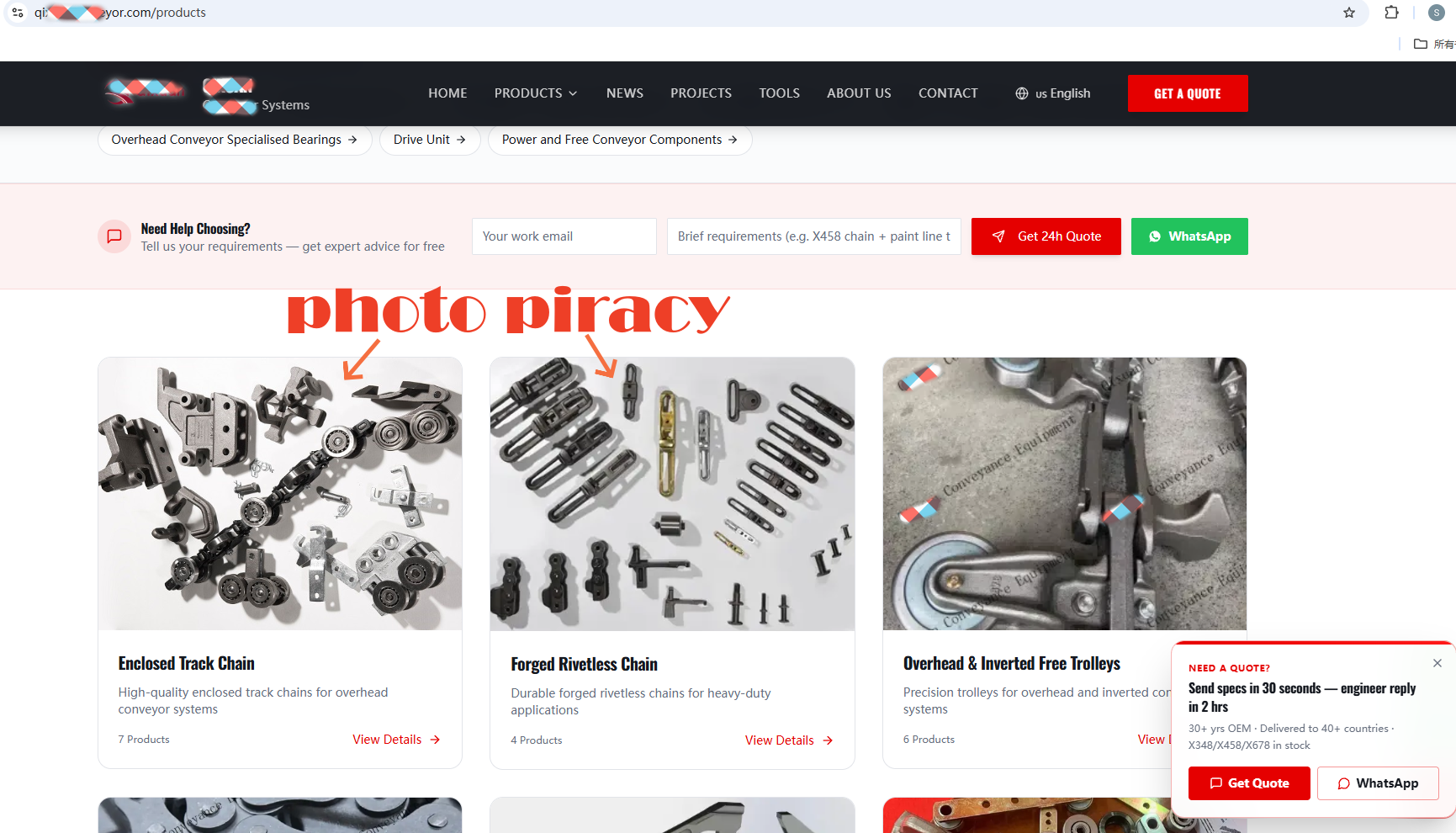
How to Verify a Supplier and Avoid Business Fraud
In international trade, verifying who you are dealing with is just as important as comparing product quality and price. Before sharing technical information, placing an order, or making a payment, buyers should confirm that the supplier's identity, website, and payment details are genuine.
Fraudulent websites and impersonators may copy product images, company profiles, or technical content to appear credible. The following signs can help buyers identify potential risks.
1. Check Company Information
A professional-looking website does not always mean a business is legitimate.
Be cautious if a supplier provides only an email address, or if its company name, address, contact details, or product information are inconsistent across its website and other sources.
What to do: Check the company's name, address, and contact information across independent sources. Where possible, arrange a video meeting or speak directly with a company representative.
2. Verify Websites and Email Domains
Fraudulent parties may use domain names or email addresses that closely resemble those of established manufacturers. They may also copy genuine product photos, technical descriptions, and company profiles.
A familiar logo or copied website content does not prove affiliation with the original company.
What to do: Type the supplier's official website address directly into your browser. Compare the email domain with the official domain and confirm contact details through independently verified channels.
3. Confirm Payment Details Carefully
Payment fraud is one of the most serious risks in international trade. Bank details on an invoice may not match the company named on the quotation or contract. Fraudsters may also request an unexpected change to previously confirmed payment instructions.
A mismatch does not always indicate fraud, but it should always be investigated before funds are transferred.
What to do: Independently confirm the beneficiary's legal name and payment details. If payment information changes, contact your established supplier using a previously verified telephone number—not the contact details in the new request. Never rely on email alone to authorize a change.
4. Be Cautious With Urgent Requests
Be careful if a supplier pressures you to pay immediately, offers an unusually low price without clear explanation, or discourages you from verifying its credentials.
Requests for technical drawings, confidential specifications, or advance payments should also be reviewed carefully if the supplier’s identity has not been verified.
What to do: Take reasonable time for due diligence. Share sensitive information only when necessary and through appropriate channels.
Quick Verification Checklist
Before placing an order or making a payment, confirm that:
✅ The company's identity and contact information can be independently verified.
✅ The website domain matches the company's claimed identity.
✅ The quotation, contract, invoice, and beneficiary details are consistent.
✅ Any unusual payment instructions have been independently confirmed.
✅ The supplier's manufacturing capability and product specifications have been verified.
No single warning sign proves fraud. However, several inconsistencies together should prompt further investigation.
Final Thoughts
Trust should be supported by verification. Taking a few extra steps before sharing information or transferring funds can help protect your business from avoidable risks.
At Camvey, we encourage buyers to verify supplier identities carefully and confirm business contacts through official channels before proceeding with a transaction.